
Part II
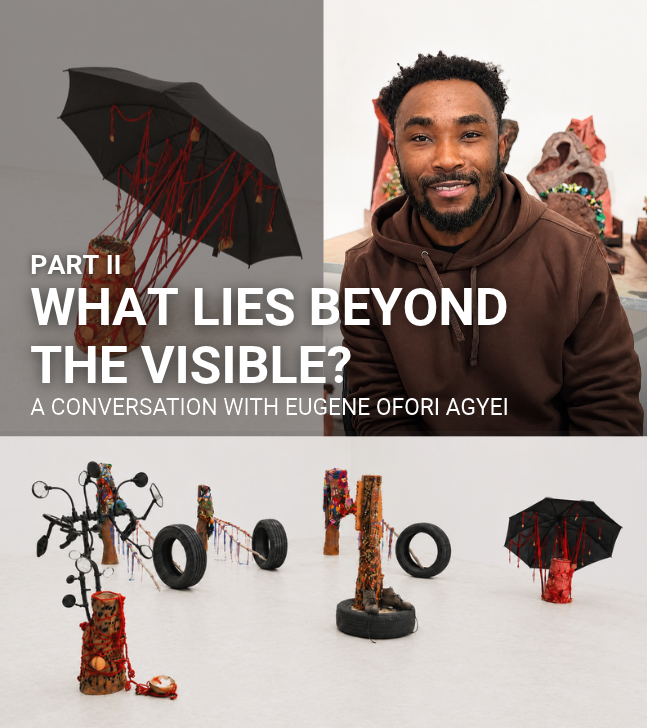
In the piece What’s behind?, at the moment of collecting and implanting the mirrors, what was your true intention? Are they intended to look toward the past (behind) or to force viewers to see themselves reflected in the work?
Three-Dimensional
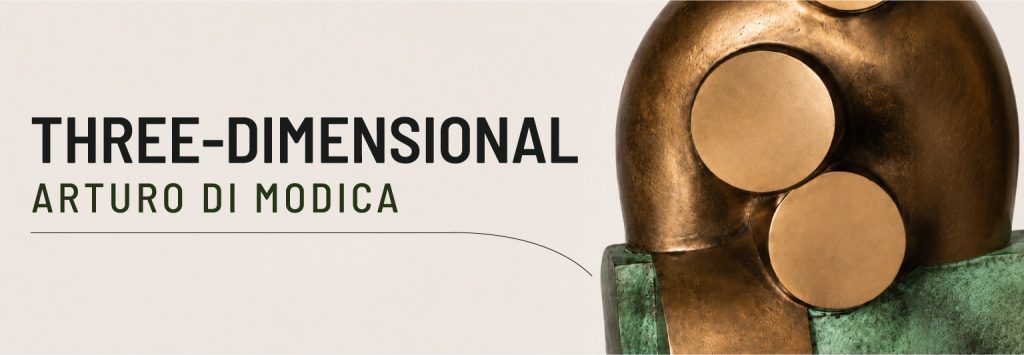
“My point was to show people that if you want to do something in a moment things are very bad, you can do it. You can do it by yourself. […]
Part I
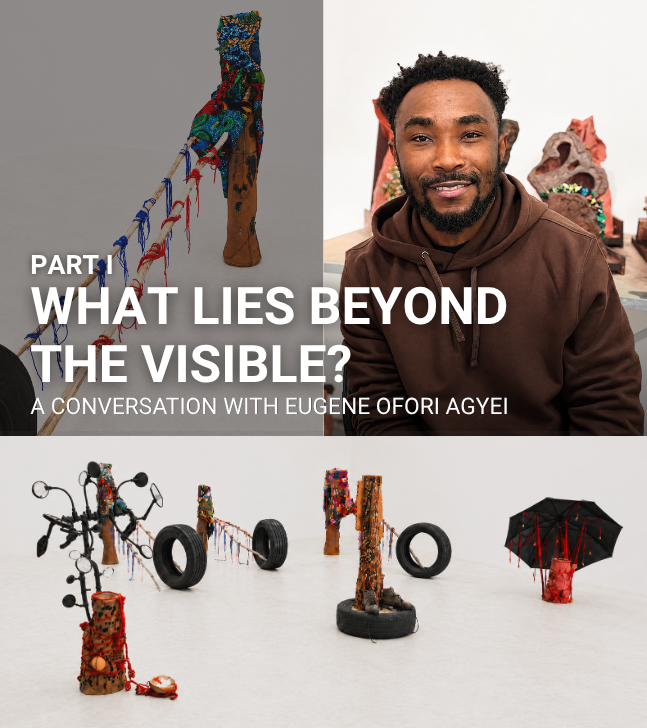
In the pottery tradition of Ghana, especially within the Akan community, the coil building technique is a craft historically passed down and practiced by women. Did you use this manual method for some of the pieces that are part of this show? As a male artist in the diaspora, what emotional meaning or sense of rootedness does adopting traditionally female knowledge to mold your pieces hold for you?
Part III
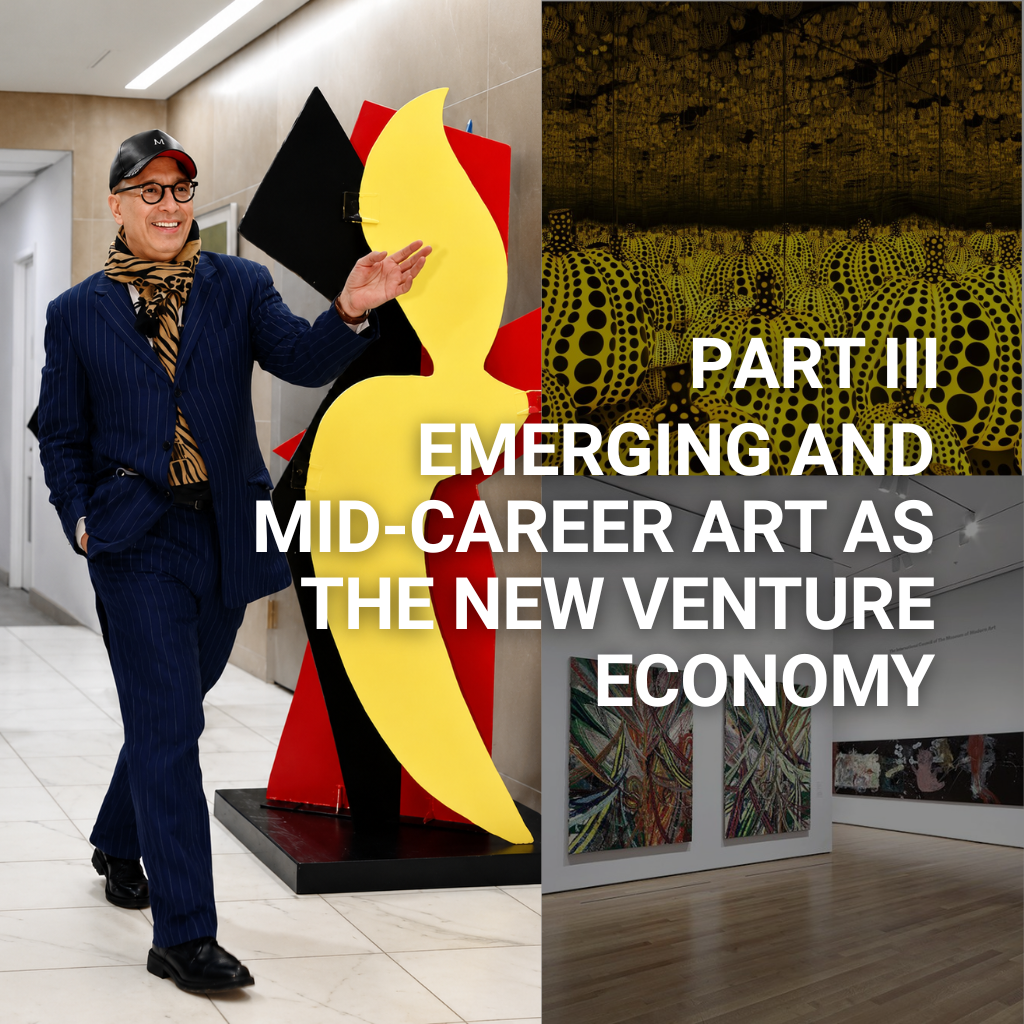
For decades, the world’s major banks and wealth management firms have approached the art market with a singular obsession: blue-chip art. Picassos, Basquiats, Warhols, Rothkos, Monets, and Koons have become the preferred instruments of prestige finance. Banks built advisory divisions around them, structured lending products against them, and promoted them as alternative assets to ultra-high-net-worth clients. In doing so, they believed they were chasing safety, liquidity, and prestige.
Part II
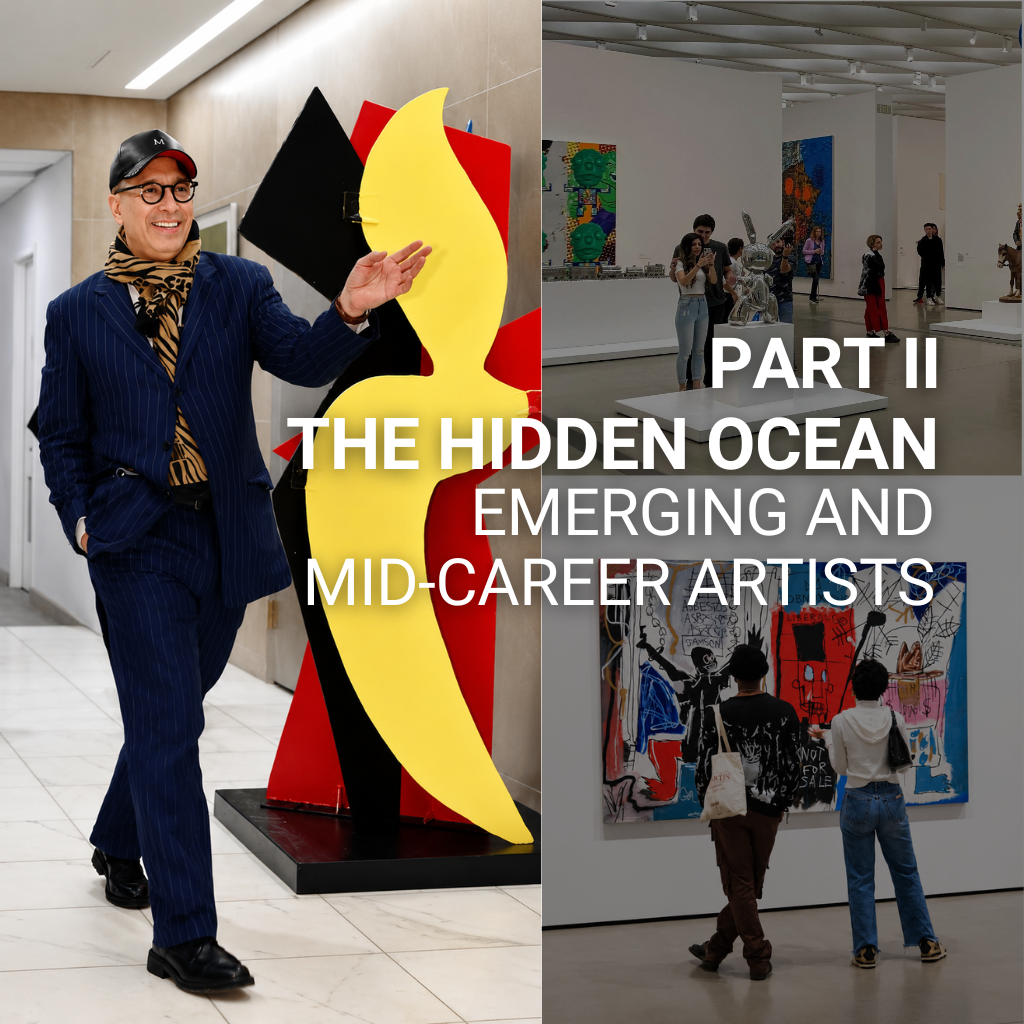
For decades, the world’s major banks and wealth management firms have approached the art market with a singular obsession: blue-chip art. Picassos, Basquiats, Warhols, Rothkos, Monets, and Koons have become the preferred instruments of prestige finance. Banks built advisory divisions around them, structured lending products against them, and promoted them as alternative assets to ultra-high-net-worth clients. In doing so, they believed they were chasing safety, liquidity, and prestige.
Part I
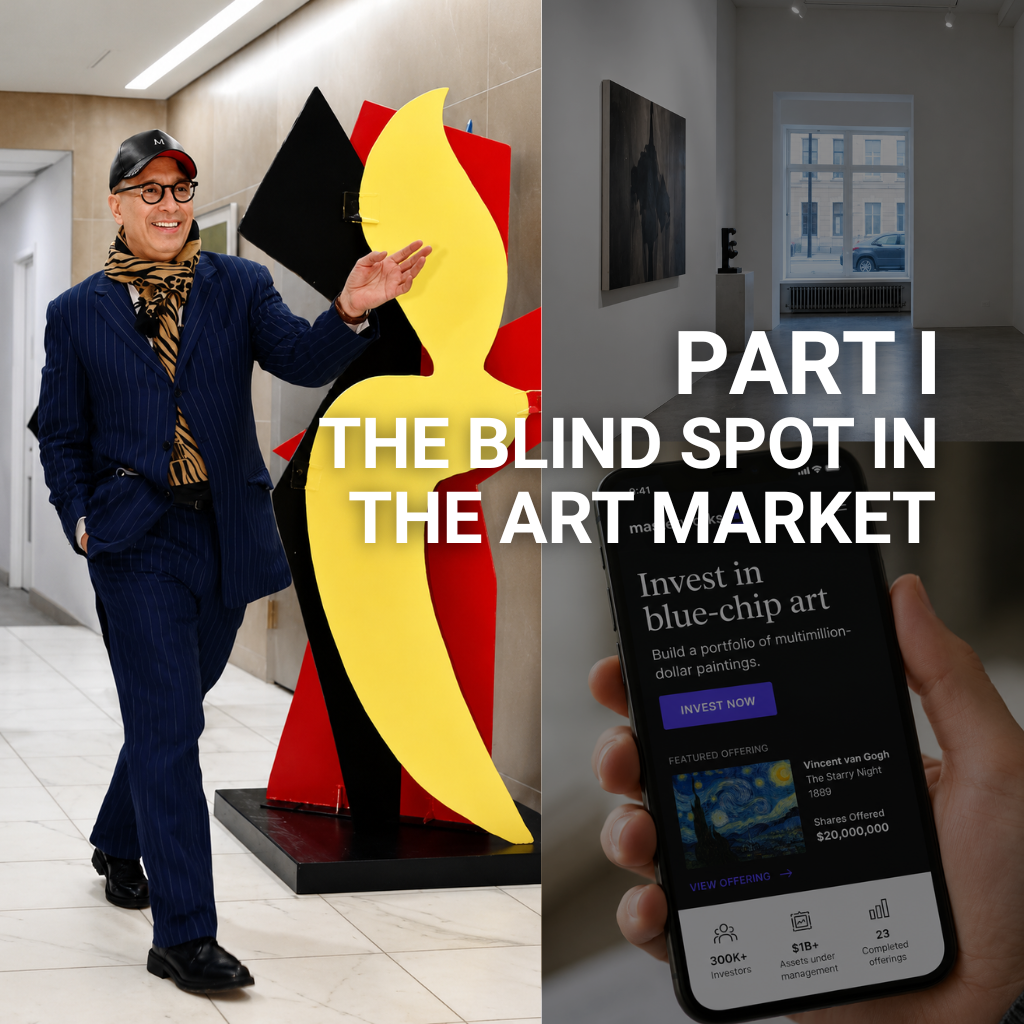
For decades, the world’s major banks and wealth management firms have approached the art market with a singular obsession: blue-chip art. Picassos, Basquiats, Warhols, Rothkos, Monets, and Koons have become the preferred instruments of prestige finance. Banks built advisory divisions around them, structured lending products against them, and promoted them as alternative assets to ultra-high-net-worth clients. In doing so, they believed they were chasing safety, liquidity, and prestige.
Whats Lie Beyond the Visible

“My work explores the sense of displacement I have experienced through themes of cultural identity, the concept of home, material ritual, and material history. By sharing my personal experience, I […]